

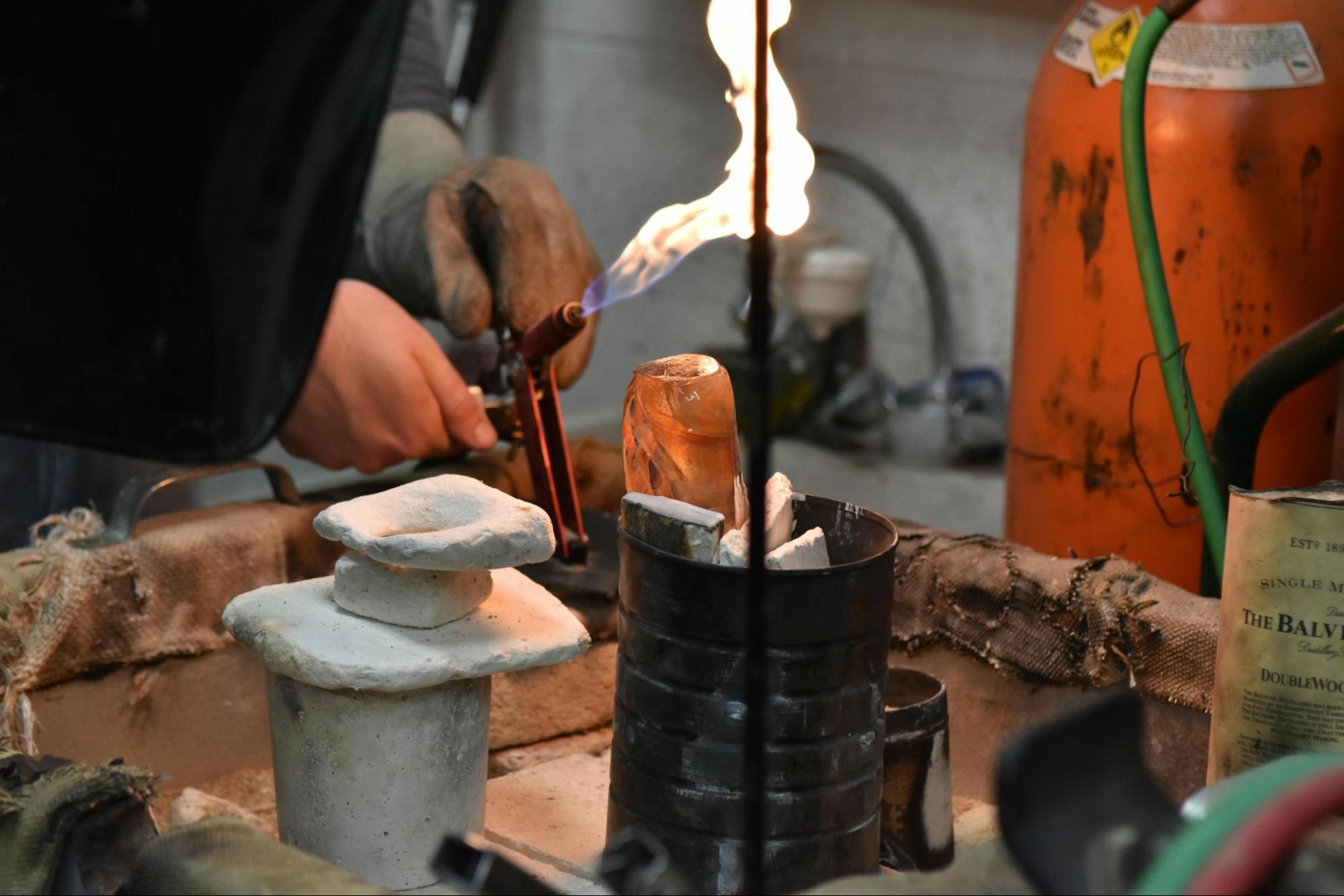
Field heat treatment is what separates a weld that lasts from one that fails quietly a few weeks later. On-site welding traps stress inside the metal, creating hidden risks of cracks, warping, or sudden failure.
Applying controlled heating and cooling right where the equipment sits not only stabilizes the metal but also protects pipelines, pressure vessels, and critical industrial components keeping your operations safe and reliable.
Field heat treatment is the process of heating metal components on-site under controlled conditions to achieve specific mechanical and metallurgical properties.
The goal is not just to heat metal randomly. It is to follow a carefully planned temperature cycle that includes:
This process is often required after welding, because welding creates high-heat zones that can leave behind residual stresses and uneven microstructures.
In simple terms, field heat treatment helps metal “settle down” after welding or repair work.
A lot of competitors explain heat treatment like it is just a “quality step.” In reality, it is often a failure prevention step.
After welding, metal does not cool evenly. One area may contract faster than another. That creates internal tension locked into the structure. Over time, those stresses can lead to cracking, deformation, and fatigue failure.
The main purpose of heat treatment in the field is to reduce those risks.
For industries like oil and gas, petrochemical, power plants, and heavy manufacturing, these benefits are not optional. They protect operations and prevent costly shutdowns.
Field work is most common when the part cannot be transported or when downtime is too expensive.
Typical applications include:
In many cases, code compliance requires it, especially for thicker materials and certain alloy steels.
Most field operations follow a planned temperature cycle. That cycle is not random. It is designed based on material type, thickness, and the desired result.
The basic stages are:
The challenge in the field is maintaining uniform heat while dealing with wind, ambient temperature changes, limited access, and large surface areas.
There are several practical techniques used depending on the project.
This is one of the most widely used methods. Heating elements or ceramic pads are placed around the weld zone. The system is connected to a control unit that manages heating rate and temperature.
It is ideal for pipes, localized welds, and controlled post-weld cycles.
For large components, teams build insulated enclosures around the equipment. This creates a furnace-like environment at the job site.
This method is useful for large vessels or when uniform heating is needed over a wider area.
Induction heating uses electromagnetic coils to heat metal efficiently. It can be fast and highly controlled, especially when precision is required.
This method is common in specialized applications but requires experienced handling.
Here’s a quick breakdown of the most common field heat treatment methods and where each one works best.
| Method | Best For | Advantage | Limitation |
| Resistance Heating | Pipe welds, localized zones | Accurate temperature control | Requires good insulation |
| Temporary Furnace | Large vessels, wide zones | Uniform heating capability | Longer setup time |
| Induction Heating | Precision heating | Fast and efficient | Specialized equipment needed |
Field heat treatment can fail if temperature is not monitored properly. Thermocouples are placed on the metal to measure heat in real time and help control the heating and cooling cycle.
If thermocouples are placed correctly, the weld area reaches the right temperature, stays there long enough, and cools at the correct speed. Professionals use multiple thermocouples to spot hot and cold areas, because uneven heating can create new stress instead of removing it.
Post-Weld Heat Treatment (PWHT) is the most common type of field heat treatment.
PWHT is performed after welding to reduce residual stress and improve toughness in the weld and heat-affected zone. It is often required for thick materials and high-pressure applications.
Skipping PWHT when required can lead to cracking during service. It can also lead to failure during inspection or commissioning.
That is why PWHT is treated as a serious process, not an optional add-on.
Bad heat treatment can be worse than no heat treatment.
Here are common risks:
These issues can cause weld failures, equipment fatigue, and rework that costs far more than doing it right the first time.
Field work is not just about heat. It is about control, planning, and compliance.
Industrial heat treatment mistakes can lead to shutdowns, cracked welds, failed inspections, and serious safety issues. That is why experienced providers are valuable. They understand the metallurgy, the standards, and the real-world challenges of on-site environments.
When the equipment is critical, shortcuts become expensive.
Need code-compliant, safe field heat treatment on-site?
Request detailed project information from Axiom Heat Treatment today. Their experienced technicians help you avoid weld failures, reduce downtime, and meet inspection requirements.
It is used to reduce residual stress after welding and improve toughness, helping prevent cracking and long-term equipment failure.
No, it depends on material type, thickness, service conditions, and project codes. Some welds require PWHT, others do not.
They use heating systems with thermocouples and controllers that monitor and record temperatures throughout the entire heating and cooling cycle.
Uneven heating can create distortion, new stress, and weak zones in the weld area, which increases the risk of cracking and inspection failure.
Oil and gas, petrochemical, power plants, fabrication, and industrial maintenance commonly use it due to high safety and compliance requirements.
Yes, it allows repairs and stress relief to be completed on-site without transporting large equipment, which saves time and avoids major disassembly.