

At Axiom HT, our refractory dry out services are designed to safely remove moisture after installation or repair, so your system can perform reliably under high temperatures. Proper drying is a critical step, and when done correctly, it helps prevent cracks, damage, and performance issues.
Our team follows controlled and proven methods to ensure your refractory system is prepared the right way, supporting long-term strength, safety, and efficiency.
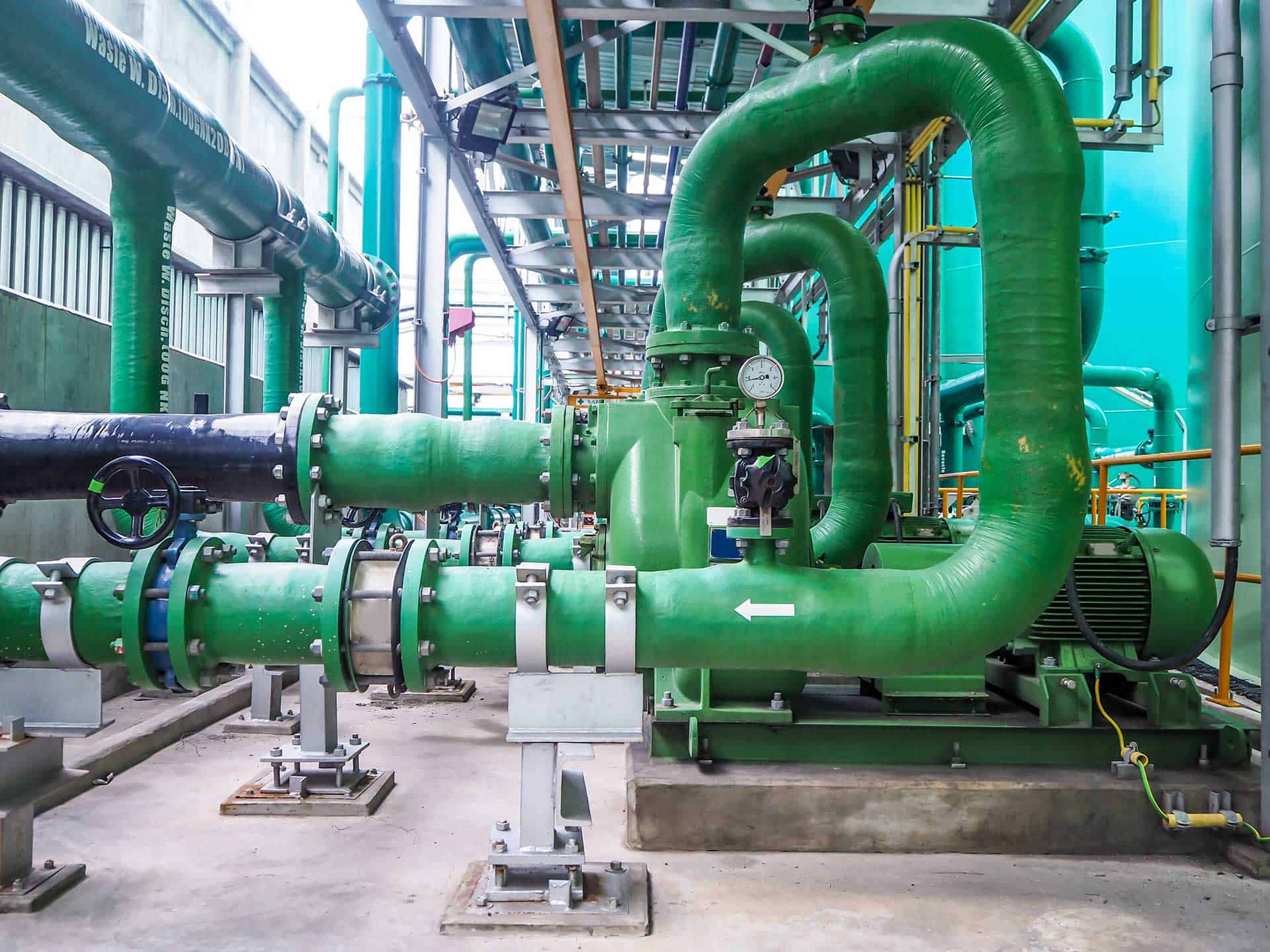
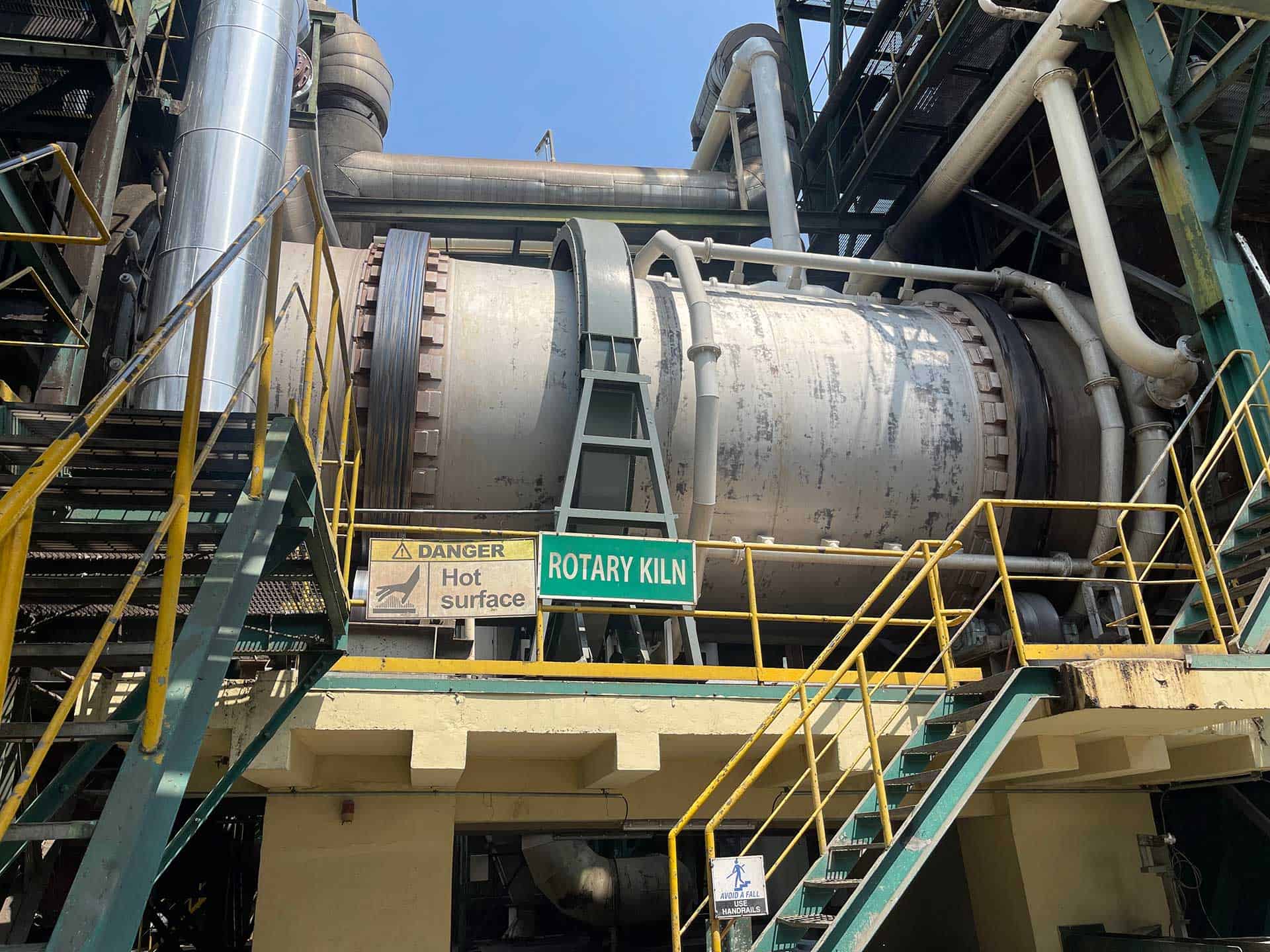
We follow a clear and structured approach to ensure consistent results.
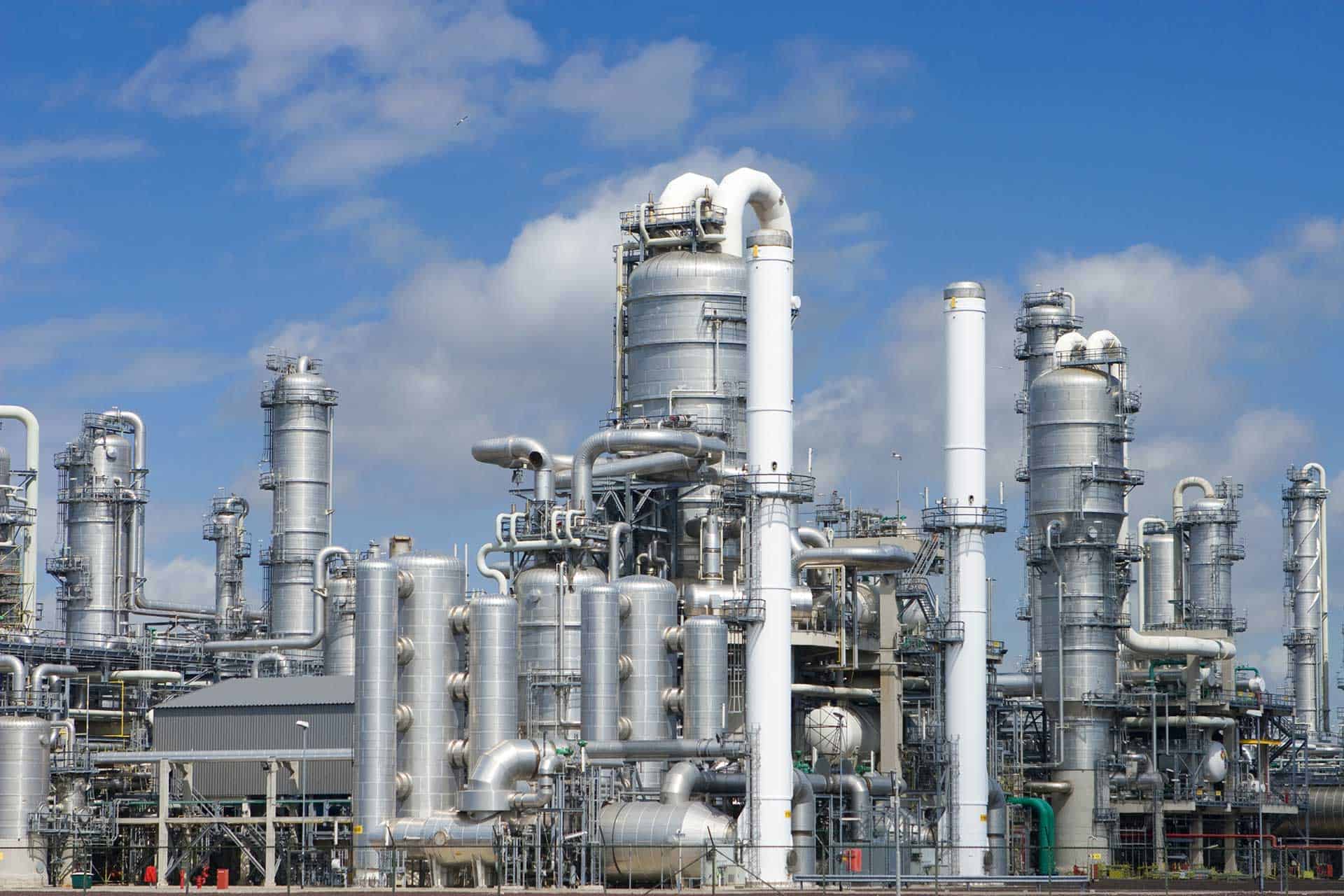
A properly dried refractory system is safer, stronger, and more efficient.
Request a quote today to get the right dry out plan for your system. Our team will guide you, keep the process safe, and help your equipment perform better.
Refractory dry out procedures are an important part of any refractory installation. Anytime a new lining is installed, or existing linings are repaired and replaced, the procedure must be followed in order to ensure proper curing and hardening of the material.
Failing to adhere to these guidelines can have serious consequences that may impact both the safety and function of the system. This article will explore the potential risks associated with ignoring refractory dry out procedures as well as possible solutions for avoiding such problems.
Refractory dry out is a process involved in the installation of boiler refractory, often used to repair and maintain boilers. It involves curing and drying so that the refractories are ready for operation. The heating rate, time duration, and temperature required during dry out must be carefully calculated as they have an effect on both the performance and maintenance of the boiler.
Castable refractories are poured into place and then cured before beginning any kind of operational use. This takes advantage of the properties of castables, which allow them to harden without shrinking or cracking due to heat processing.
During this dryout process, it's important to control the heating rate over time to ensure all water vapor has been removed from within the material structure. A slow, controlled rise in temperature allows boiling off of internal moisture at low enough temperatures that cause no damage to refractory materials. Once complete, these refractories should be properly sealed against moisture ingress prior to use.
Curing and drying out refractories is an essential part of the installation process. Refractory dry out companies employ specialized techniques to ensure that refractory linings are properly cured and dried. The furnace refractory dry out procedure involves pre-heating, followed by a period of slow heating while controlling the rate of temperature increase.
This ensures proper curing of the material before finalizing the heater refractory dry out process. Post weld heat treatment may also be applied, depending on the type of combustion systems involved in the application. During all stages, feed water must be carefully monitored for optimum results.
The duration of curing time varies according to the materials used and their respective properties; however, it can take up to several days or even weeks for certain applications.
In order to guarantee optimal performance, manufacturers provide specific instructions regarding how long each stage should last in order for its corresponding set of parameters to be met successfully. It is important to adhere strictly to these guidelines if satisfactory results are desired upon completion of the job.
It is important to follow the boiler refractory dry out procedure as it serves a critical function in ensuring health and safety. However, some may think that following this procedure could be costly or difficult. This thought holds no merit; not following the procedure has even more severe costs associated with it.
Potential risks of ignoring proper refractory dry out procedures include:
Without careful adherence to these procedures, there are numerous possible risks present that could decrease efficiency and put personnel at risk for injury or worse. Therefore, taking time to understand and properly execute each step outlined in the refractory dry out instructions is essential for any boiler operation.
The process of drying out newly-installed or repaired refractories involves allowing moisture left behind by wet concrete or mortar to evaporate before applying heat or firing up furnaces. If this step is ignored, it can lead to a number of issues, including cracking due to thermal shock, uneven heating, structural instability caused by trapped water vapor, and accelerated corrosion from acids created by steam condensation on cold surfaces. All these factors can create unsafe conditions within the furnace environment as well as affect its efficiency overall.
In addition, improper drying out can also cause delays in production schedules due to additional downtime required for repairs once the damage has taken place. Although ignoring refractory dry out procedures presents numerous risks, there are steps that can be taken in order to avoid them.
Adhering strictly to manufacturer instructions regarding materials used, carefully monitoring humidity levels during the entire cure cycle, and properly maintaining records of all processes involved will help ensure successful outcomes when dealing with refractories.
Refractory dry out services are essential for the proper installation and maintenance of refractory systems. The process is designed to ensure that all newly installed or repaired refractories are properly dried prior to use so that they may be safely used in high temperature applications.
Without following the recommended dry out schedules, there can be serious consequences which include weakening of the structure due to shrinkage, cracking, spalling, and other thermal shock related damage. This type of damage can cause a loss of energy efficiency leading to decreased productivity and increased operational costs.
Additionally, failure to follow these procedures could lead to unsafe working conditions as well as an increase in emissions from furnaces due to incomplete combustion caused by improper drying.
Therefore, it is highly important for businesses to adhere strictly to all refractory dry out procedures in order to ensure proper drying and achieve maximum performance from their refractory installations.
Failure to do so could result in lost time and money due to necessary repairs or replacements of damaged materials, along with potential safety risks associated with malfunctioning equipment.
Refractory is a material used in boilers to protect components from intense heat. It helps absorb and distribute heat evenly throughout the boiler drum, steam drums, and superheater.
The primary purpose of this dry out process is to ensure that any moisture present in the refractory area does not cause corrosion when exposed to high temperatures inside the boiler system. Additionally, this also reduces thermal stress on the refractory material, which can lead to cracking and other forms of damage if not properly done.
Ignoring proper refractory dry out procedures can result in premature failure of the entire boiler system due to improper heat distribution, leaking due to damaged materials, and higher energy costs associated with inefficient operation.
Ignoring refractory dry out procedures can lead to serious consequences. Such a failure of the curing process can be compared to a car not being properly oiled, resulting in costly repairs or even complete replacement of parts. Inadequate preparation and installation of refractory materials inside the boiler outlet may cause them to fail prematurely due to a lack of proper drying at the job site.
Refractory failure is caused by free water remaining within the lining after completion, which crystallizes when exposed to heat, leading to cracking and erosion of material.
The sudden change in the operating temperature of the refractory can cause a variety of issues. When the boiler gas is heated rapidly, steam and sulfuric acids form within the walls of the refractory, which can lead to corrosion and chemical changes due to high temperatures.
Additionally, when air temperatures are suddenly increased near the heat source, it causes an increase in thermal shock that further damages the refractory material. This can result in cracking or spalling, leading to more serious damage from chemicals and extreme temperatures.
Chemical reactions also occur at higher temperatures that can create deposits on surfaces. These deposits weaken the integrity of refractory materials and reduce their effectiveness as insulation for heat sources. Furthermore, these deposits may cause blockages and clog within pipes or other components if not addressed quickly with appropriate maintenance procedures.
As such, ignoring proper dry out procedures could have significant negative effects on operational efficiency and safety standards in many industrial applications involving refractory materials.
Refractory dry out procedures are essential for the safe and efficient operation of boilers. When these procedures are properly followed, the benefits can be seen in improved heat retention and reduced risk of damage to the boiler or other equipment.
However, when proper procedures are ignored, a variety of consequences may arise that could potentially lead to catastrophic failures or improper function of the boiler.
On average, ignoring refractory dry out procedures results in an estimated ten percent increase in fuel costs due to inefficient heat transfer. This highlights the importance of following protocols correctly in order to ensure optimal working conditions for any boiler system.
All operators should take necessary safety precautions while operating boilers with refractories installed and adhere strictly to established guidelines during their routine maintenance checks.
Need a refractory dry out procedure? Call us today!
The most common type of refractory used in boilers includes fireclay brick, high alumina brick, insulating firebrick, and castable refractory.
The type of refractory chosen will depend on several factors: temperature requirements, cost- effectiveness, abrasion resistance, thermal shock resistance, erosion resistance, and chemical compatibility with fuels being burned. All these properties must be taken into consideration when selecting a suitable product. Additionally, proper installation procedures, as well as regular maintenance, are essential in order to ensure optimal performance over time.
The use of refractory in boilers can bring a number of benefits to the user. Refractory is an insulating material that provides high thermal resistance, making it ideal for applications such as lining boilers and other areas where high temperatures are present. It also prevents heat loss through conduction, thus increasing the efficiency of the boiler while reducing energy costs associated with its operation. Finally, refractory materials provide protection against corrosion and oxidation due to their strong alkaline nature.