

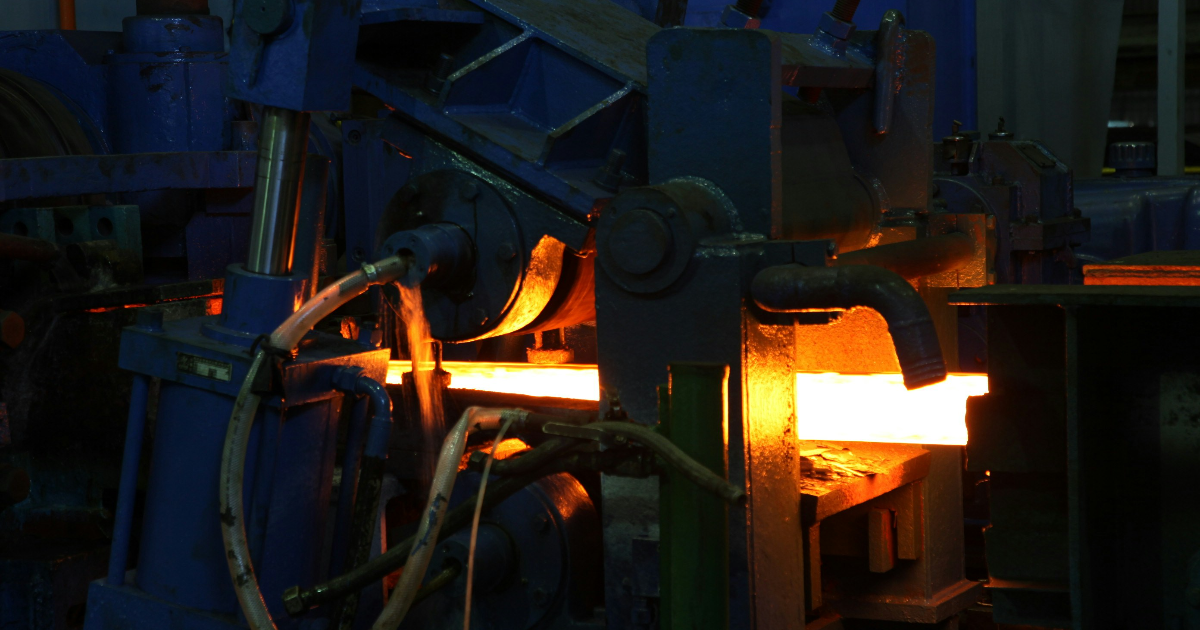
Normalizing is a heat treatment method widely used to refine grain structure and reduce residual stresses in metals. With a controlled heat-and-air-cool cycle, it resets the internal structure of metals before service loads.
In this blog, discover how normalizing heat treatment actually works, with temperatures, benefits, and more.
You Might Also Like: 10 Innovative Heat Treatment Solutions to Improve Efficiency and Compliance
Normalizing is a heat treatment process used primarily on ferrous metals like carbon steel, alloy steel, and cast iron.
Metals are heated to their particular normalizing temperatures, held there, and then cooled in still air. The open-air cooling step is what separates normalizing from full annealing, and it's why the process tends to run faster and is more economical.
Check Out: PWHT Procedure Explained: Step-by-Step Guide to Post-Weld Heat Treatment
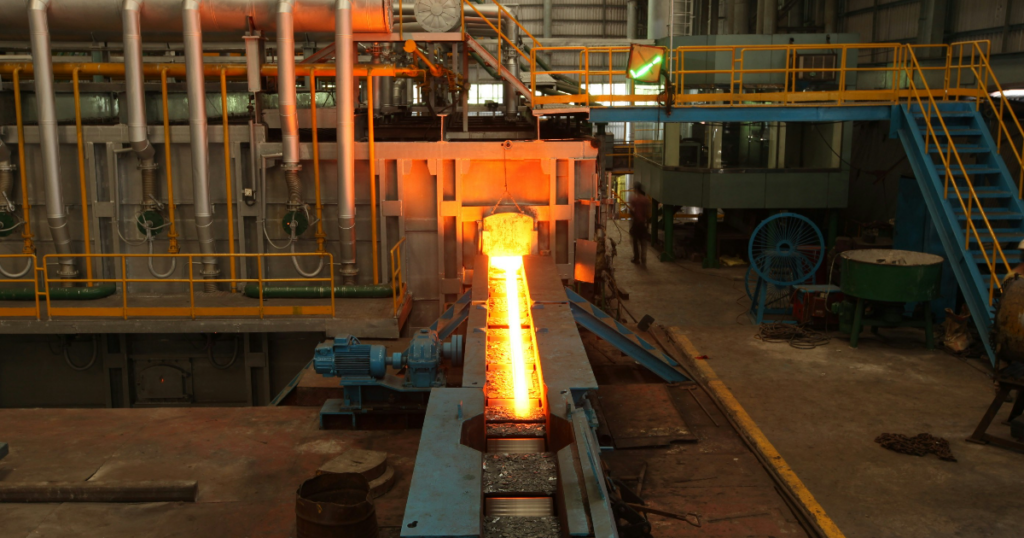
Normalizing temperatures generally fall between 750°C and 980°C (1,380°F to 1,800°F), depending on the alloy. The target is roughly 30°C to 80°C above the steel's upper critical temperature (for example, Ac3 for hypo-eutectoid steels or Acm for higher-carbon grades) so the entire section fully transforms into austenite.
Explore: Heat Treatment of Metals: Processes, Types, and Applications
Every normalizing cycle moves through the same three stages, regardless of part size or alloy.
You Might Also Like: Industrial Heat Treatment Service: Cost, Process & Value for Your Project
The global heat-treating market is on track to grow from $118.3 billion in 2026 to $152.5 billion by 2033, and normalizing's cost-to-benefit ratio is a big reason it stays in steady demand.
Check Out: Welding Quality Inspection Guide and Checklist

Normalizing gets confused with annealing and hardening more than almost any other heating term; picking the wrong one on a spec sheet can mean the wrong properties end up in service.
Before deciding which process your project actually needs, it helps to see all three side by side.
All three start the same way, that is, heat above the critical temperature, but the cooling method changes everything about the outcome.
| Process | Cooling Method | Resulting Hardness | Typical Use |
| Normalizing | Open, still air | Moderate; harder than annealed | Grain refinement, stress relief, pre-fabrication prep |
| Annealing | Slow, inside a closed furnace | Lowest; maximum softness | Maximum ductility for heavy forming or machining |
| Hardening | Rapid quench (water, oil, or polymer) | Highest; however, brittle without tempering | Wear resistance, load-bearing components |
Explore: Vessel Considerations During Post Weld Heat Treatment - Axiom HT
You Might Also Like: Heat treatment chemical processing plant
Most published guides on normalizing assume the part can be trucked to a shop furnace.
Large pressure vessels, structural steel, and long pipes often can’t be, so the furnace has to come to the part instead.
This is where 135+ years of combined field experience matters. At Axiom HT, we know how to hit the right normalizing temperature on a live jobsite, not just in a controlled shop environment.