
Expert Resource Guide · PDF

AxiomHT provides field preheat, hydrogen bake-out and post weld heat treatment for P91 and other Grade 91 piping. Our crews work to ASME B31.1, ASME B31.3 and your owner specification, and every joint comes with a full temperature record.
Over 107 Years in field heat treatment.
10,000+ P91 joints heat treated.
1000+ plants served.
P91 (9Cr-1Mo-V, ASTM A335 Grade P91) is a creep strength enhanced ferritic steel. Power plants use it in main steam lines, hot reheat lines and HRSG headers because it holds its strength at high temperature for decades. That strength comes from a tempered martensite structure set during manufacture. Welding disturbs it, and heat treatment restores it.
The temperature window for P91 is narrow. If post weld heat treatment runs too cool, the weld and heat affected zone stay hard and brittle. If it goes above the lower critical temperature (Ac1), part of the structure transforms and the joint can lose much of its creep strength. A joint treated outside the window can pass inspection on the day and still fail years later, often through Type IV cracking in the heat affected zone.
"P91 does not forgive or forget bad heat treatment."
Gerry McWeeney, CEO, AxiomHT
So we plan every P91 job before the first heater goes on. The WPS, filler metal chemistry, thermocouple layout and heating method are agreed with your team in advance.

We handle every heat treatment step a P91 weld needs, from preheat through to the final chart.
Every cycle is recorded on recorder or monitoring system. You receive the temperature charts, thermocouple maps and cycle records your QA/QC team needs for sign-off and the turnover package.
The values below are typical requirements from the main piping codes. Your governing code edition, WPS and owner specification always take precedence, and we confirm every parameter with you at the pre-job review.
| Parameter | Typical requirement | Reference |
|---|---|---|
| Minimum preheat | 400°F (205°C) | ASME B31.1, ASME B31.3 |
| PWHT holding temperature | 1,300 to 1,425°F (705 to 775°C) | ASME B31.1 Table 132.1.1-1, ASME B31.3 Table 331.1.1 |
| Upper PWHT limit | Below Ac1. Set lower when filler metal Ni + Mn exceeds the code limit. | Governing code, filler metal certificates |
| Holding time | Set by thickness in the code table. Many owners specify 2 hours minimum. | Code table, owner specification |
| Cooling before PWHT | Below the martensite finish temperature, per the WPS | WPS |
| Heated band and thermocouples | Sized and placed to recommended practice | AWS D10.10 |
| Heating and cooling rates | Controlled above a set temperature | Governing code, WPS |
| After PWHT | Chart review, plus hardness testing where specified | Owner specification |
Most P91 heat treatment failures come from a short list of causes, and each one can be prevented with planning.
We go through these risks with your team in a P91 project alignment session before work starts.
Schedule a P91 Project Alignment SessionLost preheat. Losing preheat during welding raises the risk of hydrogen cracking. We set up monitoring and standby power so a loss of heat is caught and dealt with straight away.
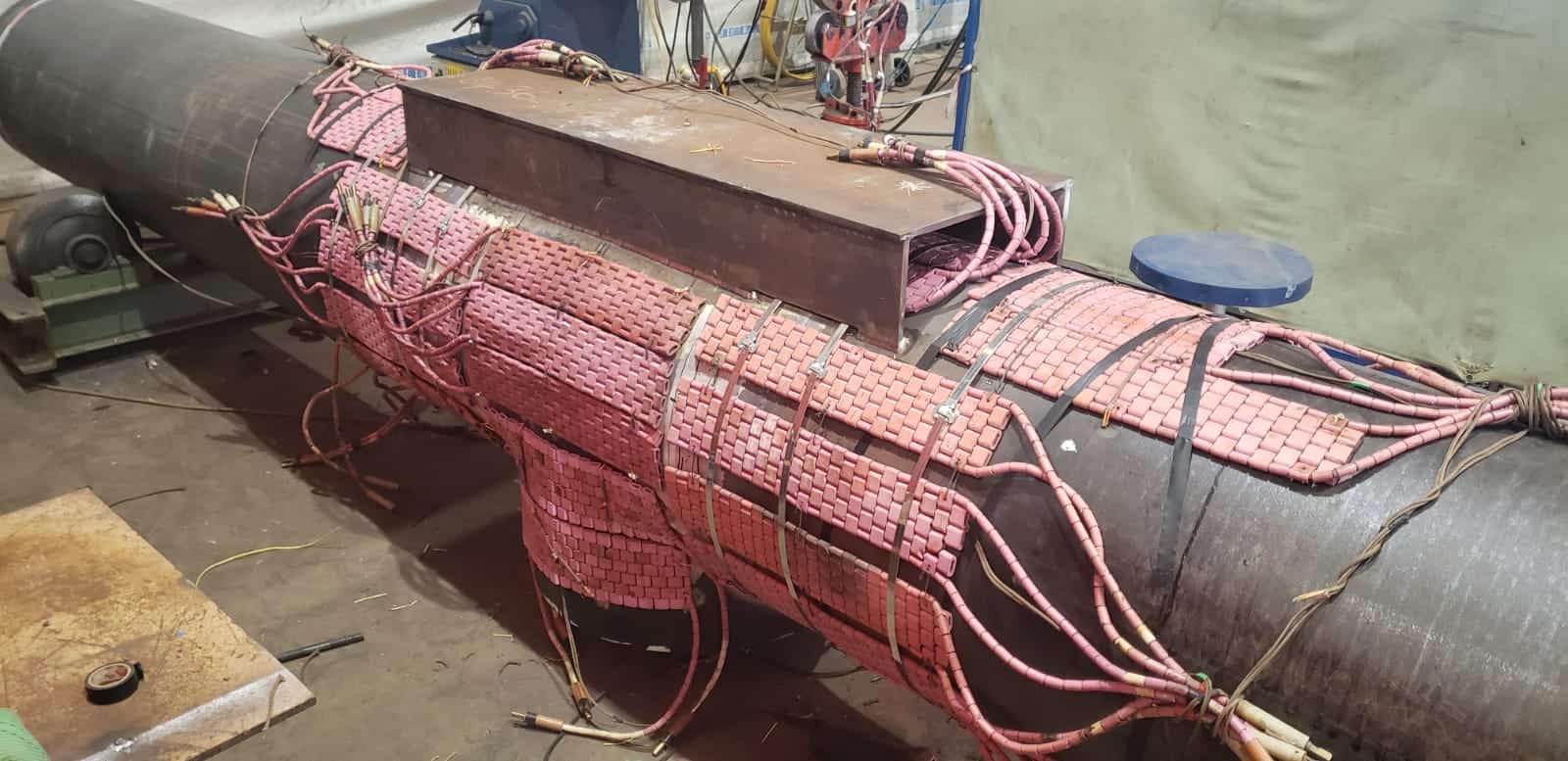
Scope: 8 P91 joints, 8" to 24" NPS, 0.9" to 2.2" wall, ASME B31.1
Work: Preheat, bake-out and PWHT using induction heating during a 21-day outage.
Result: Every joint held within the soak range. Charts were accepted at first review and the work finished on schedule.
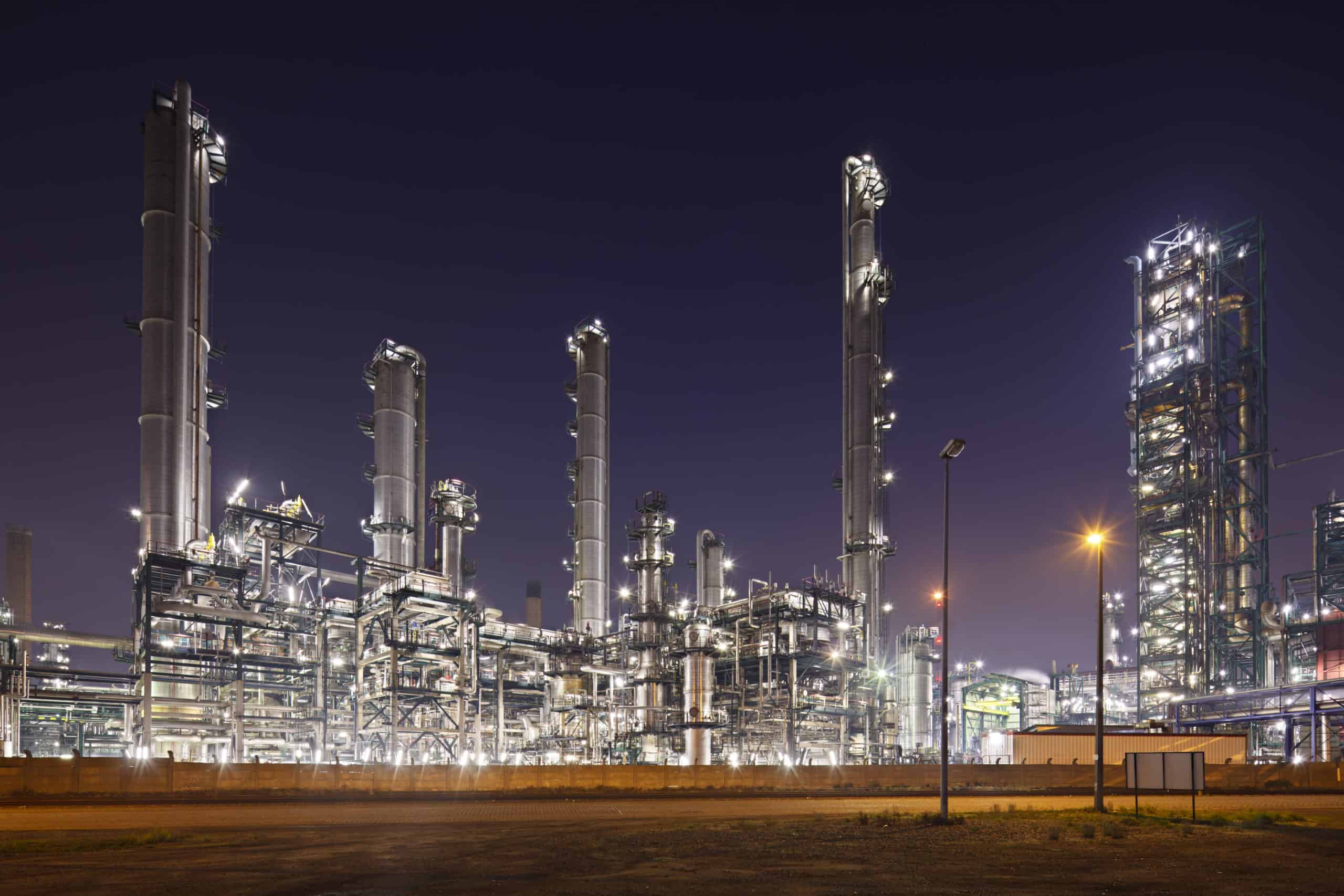
Scope: 36 joints, 6" to 16" NPS, 0.5" to 1.3" wall, ASME B31.3
Work: Preheat, hydrogen bake-out and PWHT using electric resistance heating inside an 18-day turnaround window.
Result: Finished two days ahead of the turnaround schedule. Every joint passed hardness testing on the first round, with no rework.
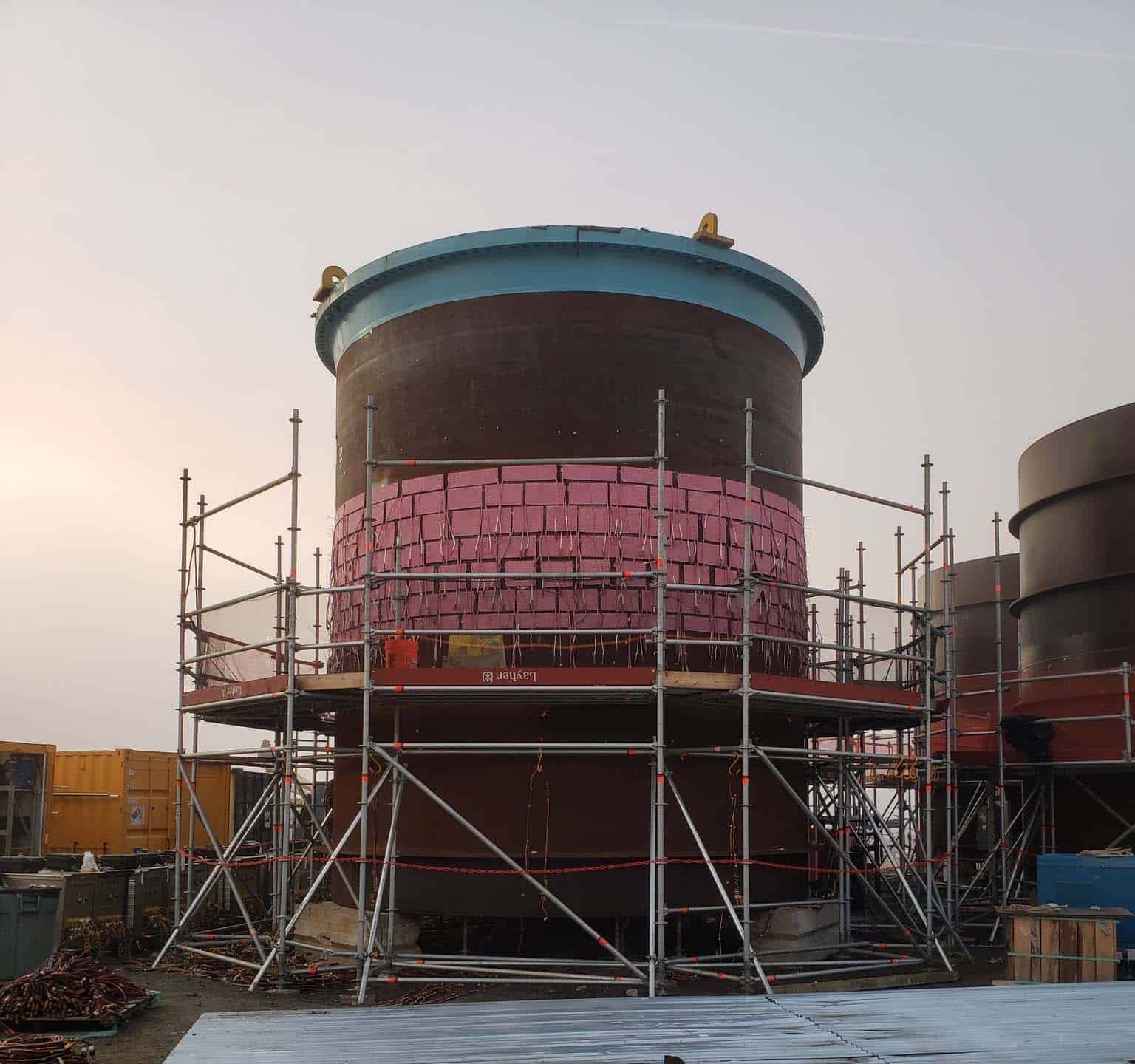
Scope: 64 spools and 4 headers, 4" to 20" NPS, up to 2.5" wall.
Work: Post-weld heat treatment on finished spools and headers before shipment, with charts and thermocouple maps supplied for each piece.
Result: All spools passed hardness testing and shipped on the fabricator's schedule.

P91-trained crews. Our project managers, supervisors and technicians hold the P91 Heat Treatment certificate from the Energy Resource Institute (ERI), which our CEO Gerry McWeeney built from more than 35 years of field work. The training covers code requirements and recent code changes, thermocouple placement, hardness limits, cooling and martensite formation, hydrogen bake-out, preheat, PWHT and band sizing. To earn the certificate, each person has to score at least 90% on the final assessment.
An experienced P91 lead. An experienced P91 lead: Our P91 project lead, has more than 25 years of P91 field experience on power plants, refineries, chemical plants and fabrication shop work.
Leadership. Axiom was founded by CEO Gerry McWeeney, who has spent more than 35 years in heat treatment. He also runs the Energy Resource Institute, which trains crews on codes and P91 practice.
Free guides from our P91 team.

You're unlocking the P91 Survival Guide. Tell us where to send it — name and email are required.
Check your browser's downloads for the P91 Survival Guide. If it didn't start automatically, use the button below.
Download Now ↓You get the temperature chart for every cycle, thermocouple location maps, the heat treatment procedure record and hardness results where tested. We provide them in the format your QA/QC team and authorized inspector need.
Yes. Much of our P91 work happens during outages and turnarounds. We plan crews and equipment around your schedule and can staff round-the-clock shifts when the job needs it.
We're based in Signal Hill, California, and work across [states or regions]. Send us your project location and dates and we'll confirm crew availability.
Tell us about your project and a P91 project manager will reply within one business day