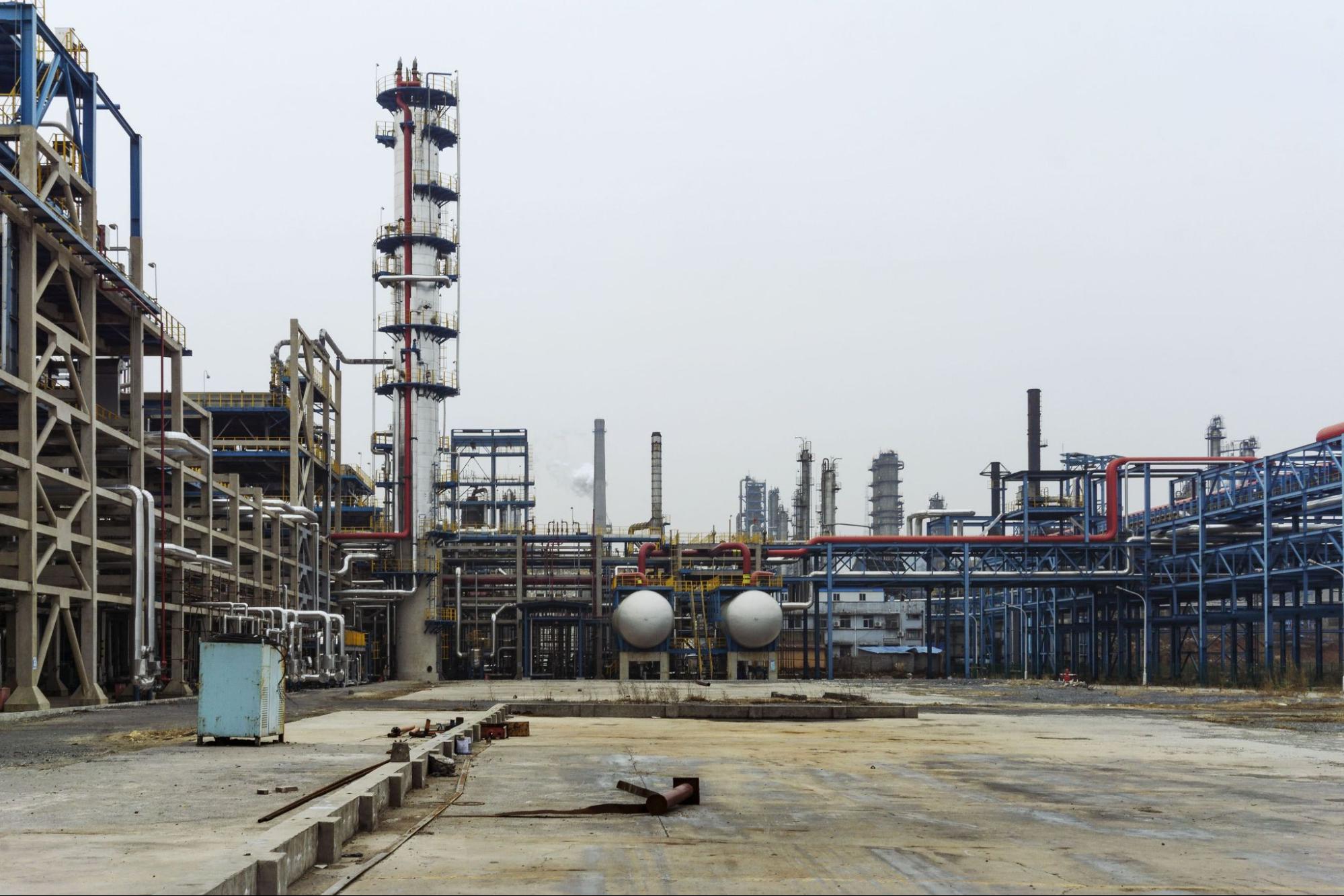
A plant shutdown leaves little room for delays. With welding, repairs, inspections, and maintenance all competing for time, heat treatment needs to be ready before the pressure is on.
The right preparation keeps teams aligned, equipment ready, and critical work moving. Use this checklist to plan each stage of heat treatment, avoid last-minute surprises, and keep your shutdown on track.
Plant Shutdown Checklist for Heat Treatment Teams
Use this checklist to prepare your heat treatment work, coordinate contractors, and avoid delays at every stage of the shutdown.
1. Before the Shutdown: Prepare and Plan
Identify all components and welds requiring preheating, PWHT, or other heat treatment.
Confirm material grades, component thicknesses, and dimensions.
The heating method depends on the component, treatment requirements, site conditions, and project schedule.
Method
Typical application
Planning consideration
Electrical resistance
Localized preheating and PWHT
Confirm power supply, element placement, and insulation.
Induction
Heating selected welds and piping
Check coil positioning, component geometry, and power requirements.
Combustion
Larger components and suitable vessel applications
Plan fuel supply, ventilation, and heat distribution.
Axi-Therm
Projects suited to blended heating and cooling
Assess the required thermal process and project conditions.
AxiomHT provides electrical resistance, induction, and combustion heating, along with its Axi-Therm blended heating and cooling technology. Discussing the component and project requirements early helps determine a suitable approach.
Common Shutdown Challenges to Avoid
Even a well-planned shutdown can face delays. These issues are easier to manage when teams address them early:
Late contractor involvement: Bring heat treatment teams into planning once the scope and schedule are taking shape.
Missing technical information: Share drawings, material details, and approved treatment requirements before mobilization.
Limited site access: Coordinate work areas, scaffolding, and access with other contractors.
Utility or equipment problems: Confirm requirements and equipment readiness before treatment begins.
Poor communication: Establish clear contacts for schedule changes, technical questions, and quality concerns.
What Should Heat Treatment Records Include?
Accurate records help demonstrate that the work followed the approved procedure. Depending on project requirements, documentation may include:
Involve the contractor as soon as the repair scope and shutdown schedule become clear. Early coordination allows time to review requirements, plan equipment, and arrange personnel.
Share component dimensions, material details, weld locations, treatment requirements, drawings where available, site location, and expected dates.
Yes, where site conditions, access, permits, and simultaneous operations controls allow it. The activities should be coordinated with the plant team.
The interruption should be documented and reviewed by the responsible engineering or quality team. The next steps must follow the approved procedure rather than an assumed restart.
That depends on component requirements, equipment capacity, control zones, available utilities, and technician availability.
Approval responsibilities depend on the project’s quality plan and contractual requirements. The plant owner, engineering team, inspection personnel, or quality representatives may have defined roles.