

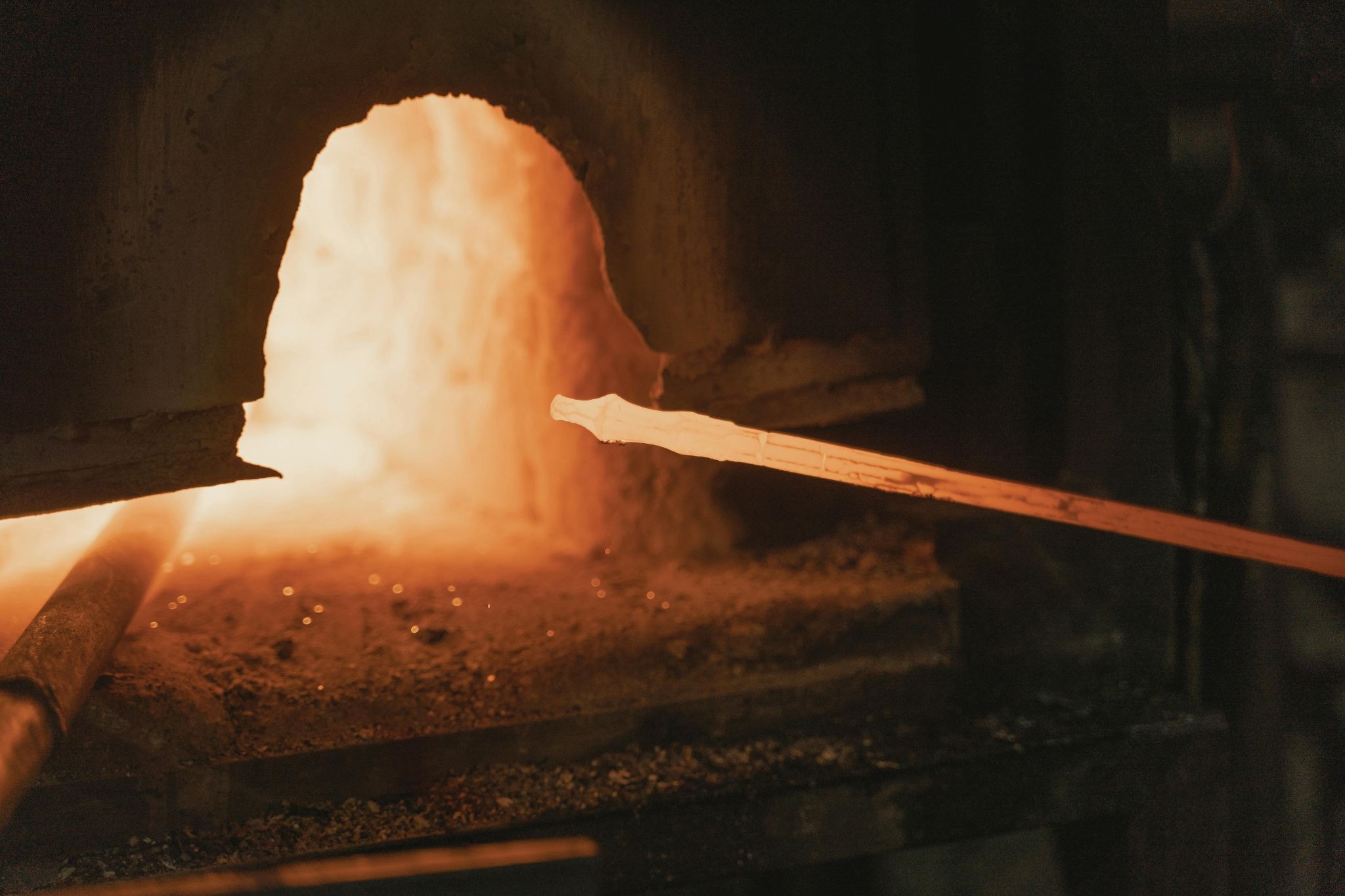
P91 Heat Treatment Playbook is something every team working with advanced materials should understand before starting a project. P91 heat treatment is known for being sensitive, time-critical, and unforgiving when small details are missed.
Many projects face delays and failures, not because of a lack of effort, but because real field conditions are more complex than expected. This guide shares practical insights to help teams avoid common mistakes and improve results on-site.
Every industry has a material that looks perfect on paper. In heat treatment, the material is P91. It is strong, creep-resistant, and efficient, which makes it appealing during planning. Engineers trust it, and project managers expect smooth execution.
However, once work begins in the field, P91 behaves differently. It has its own characteristics, and if those are not properly understood, it can create serious problems. These issues often appear during outages, shutdowns, or high-pressure situations where there is little room for error. That is when P91 stops being reliable and starts becoming a challenge.
This perspective comes from many years of working in real heat treatment jobs where schedules are tight, and mistakes are costly. A pattern has been seen many times. Before any issue happens, P91 is often treated like a normal chrome alloy. After a failure, its real complexity becomes clear to everyone.
The problem is not a lack of technical knowledge. The problem is the gap between what teams expect and what actually works in real conditions. The P91 Heat Treatment Playbook is written to close this gap and help teams make better decisions based on real field experience.
Codes and standards are very important in P91 heat treatment. They give clear minimum requirements and help keep work consistent across projects. But in real field conditions, following the code alone is not always enough.
P91 needs more than just meeting written requirements. It needs careful planning, correct execution, and attention to small details that are not always explained in codes. Many teams still face problems even when they follow the code properly, because real site conditions are more complex than what is written on paper.
This is why understanding practical, on-site behavior of P91 is just as important as understanding the code itself.
The details in P91 heat treatment make a significant difference. Preheat and post-weld heat treatment must be handled correctly, especially when dealing with austenite and martensitic conditions. These factors directly affect the performance of the material.
Thermocouples are another critical element. It is not enough to use them; they must be placed correctly to ensure accurate temperature readings. Heated band widths, soak time, and temperature control also play a major role. These are often underestimated, but they can determine whether a project succeeds or fails.
New code updates also reflect real failures from the field. They are based on lessons learned through experience and highlight areas that require more attention.
One of the biggest challenges is that many plants are not designed for the updated requirements of P91 heat treatment. This creates difficulties for both owners and contractors. Costs increase, schedules become tighter, and delays become more likely.
When these issues are not addressed early, teams are forced to react later in the project. This often leads to rushed decisions, which increases the risk of mistakes and failures.
P91 affects more than just the heat treatment process. It also impacts equipment, training, and how projects are planned. There is a growing need for equipment that can meet stricter requirements.
Training is equally important, yet it is often overlooked. Many teams face a gap between what is expected and what is actually understood in practice. This gap can lead to errors that affect the entire project.
Bidding is another area influenced by P91. When its complexity is underestimated, it results in unrealistic expectations and challenges during execution.
Most lessons about P91 are learned after something goes wrong, such as cracked welds or failed hardness tests. These issues lead to delays, rework, and higher costs. In many cases, they could have been avoided with better understanding and planning.
The goal of this playbook is simple. Reduce failures, avoid delays, and prevent costly mistakes. P91 often sits on the critical path of major projects, so when it goes wrong, the impact spreads quickly.
Anyone who has worked with P91 knows that it does not forgive shortcuts, and it does not forget poor heat treatment. This playbook is built to help teams do better by applying real-world lessons before problems occur.
If you are working with P91 and want to avoid costly mistakes, delays, and failures, it is important to get the right guidance early. Contact Axiom Heat Treatment to request more information and support for your project.