

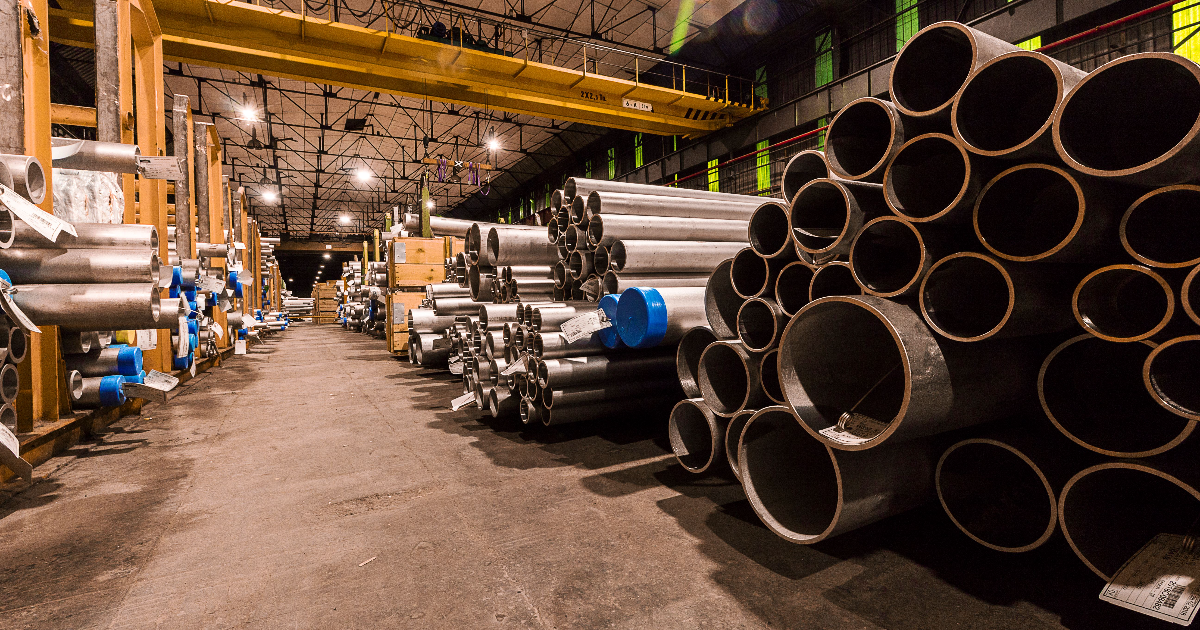
P91 material is what forms the backbone of high-temperature, high-pressure systems in modern power and petrochemical plants today.
From superior creep strength to strict PWHT requirements, this guide breaks down what P91 is, where it’s used, and why precision matters in P91’s fabrication and heat treatment.
You Might Also Like: Industrial Heat Treatment Service: Cost, Process & Value for Your Project
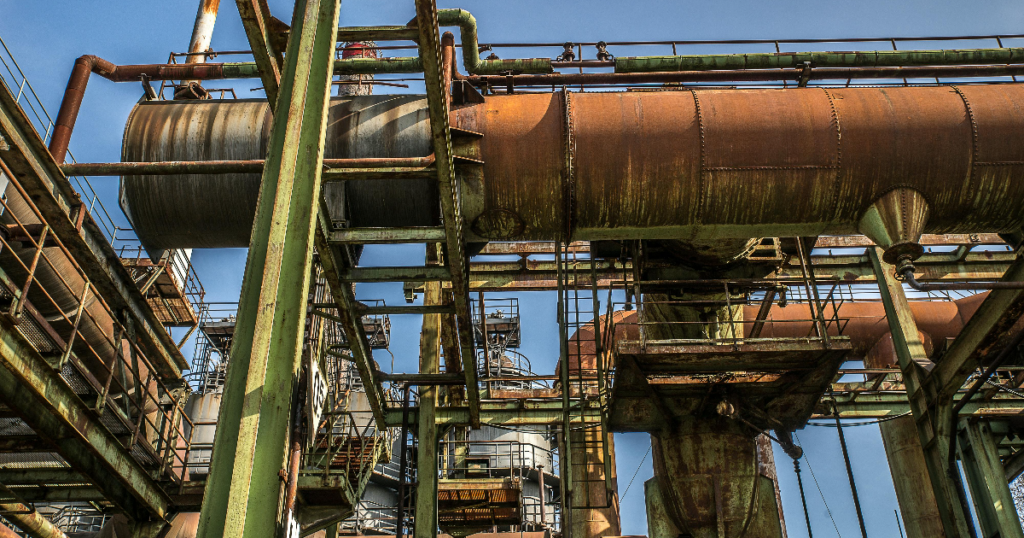
Not all steel is created equal, especially at temperatures above 500°C (932°F).
Check Out: Induction Heating vs Resistance Heating
P91's performance is rooted in its metallurgy. Here's a breakdown of the key alloying elements that make P91.
Read More: How Does Induction Heating Work? A Complete Guide to the Induction Heating Process

P91 shows up wherever the combination of heat, pressure, and long service life is non-negotiable.
● Power generation: Steam piping, headers, and boiler tubes in fossil fuel and combined-cycle plants; designed for long high-temperature service life.
● Petrochemical & refineries: Reactor piping, heat exchangers, and vessels requiring creep strength and long service life.
● Oil & gas: Refinery piping and high-temperature components exposed to hydrogen service or elevated-pressure steam environments.
● Nuclear & energy transition: CSP (Concentrated Solar Power) and SMR (Small Modular Reactors) projects demanding high-temperature thermal cycling.
You Might Also Like: Vessel Considerations During Post Weld Heat Treatment

The reason P91 performs so well under stress comes down to its microstructure — specifically, tempered martensite with a fine dispersion of M₂₃C₆ carbides and MX carbonitrides.
Deviations from these parameters are not recoverable. Over-tempering above 790°C or under-normalizing below 1020°C can permanently destroy the precipitate structure. Room-temperature hardness tests then won't catch damage until the material is already in service.
You Might Also Like: 10 Innovative Heat Treatment Solutions to Improve Efficiency and Compliance
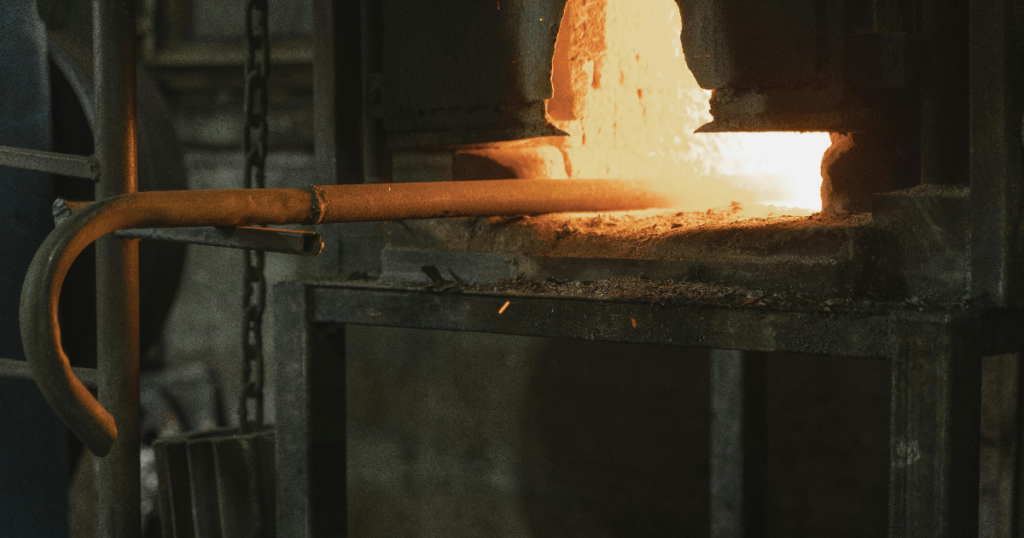
P91 material is one of the most demanding materials in industrial fabrication when it comes to welding and heat treatment. Miss a step, and the consequences show up months or years later as cracked welds, failed hardness tests, and costly shutdowns.
Check Out: P91 Heat Treatment Playbook
| Grade | Composition | Temperature / Pressure Capability | Key Strengths | Typical Applications | Limitations |
| P11 | 1.25Cr-0.5Mo | Suitable for moderate temperatures and pressures | Entry-level chrome-moly steel; cost-effective for lower-criticality systems | Lower-criticality piping and boiler systems | Limited creep strength and oxidation resistance at higher temperatures |
| P22 | 2.25Cr-1Mo | Performs reliably up to ~565°C | Widely proven in refinery and power applications; better high-temperature strength than P11 | Refinery piping, power plant systems, steam lines | Falls short under ultra-supercritical (USC) steam conditions |
| P91 | 9Cr-1Mo-VNb | Designed for very high temperatures and pressures above 600°C | Significantly higher creep strength and oxidation resistance; enables thinner walls, lighter systems, and longer design life | Advanced thermal power plants, high-pressure steam piping, superheaters | Requires stricter fabrication, welding, and heat-treatment controls |
| P92 | 9Cr-2Mo-VNb (with tungsten addition) | Optimized for temperatures around 620°C - 650°C | Enhanced creep performance over P91; ideal for advanced USC plants | Most advanced ultra-supercritical power plants | Higher material and fabrication complexity/cost |
Need expert heat treatment for P91 and other critical alloys? Contact Axiom HT to ensure compliant, reliable, and performance-driven thermal processing for your next project.