

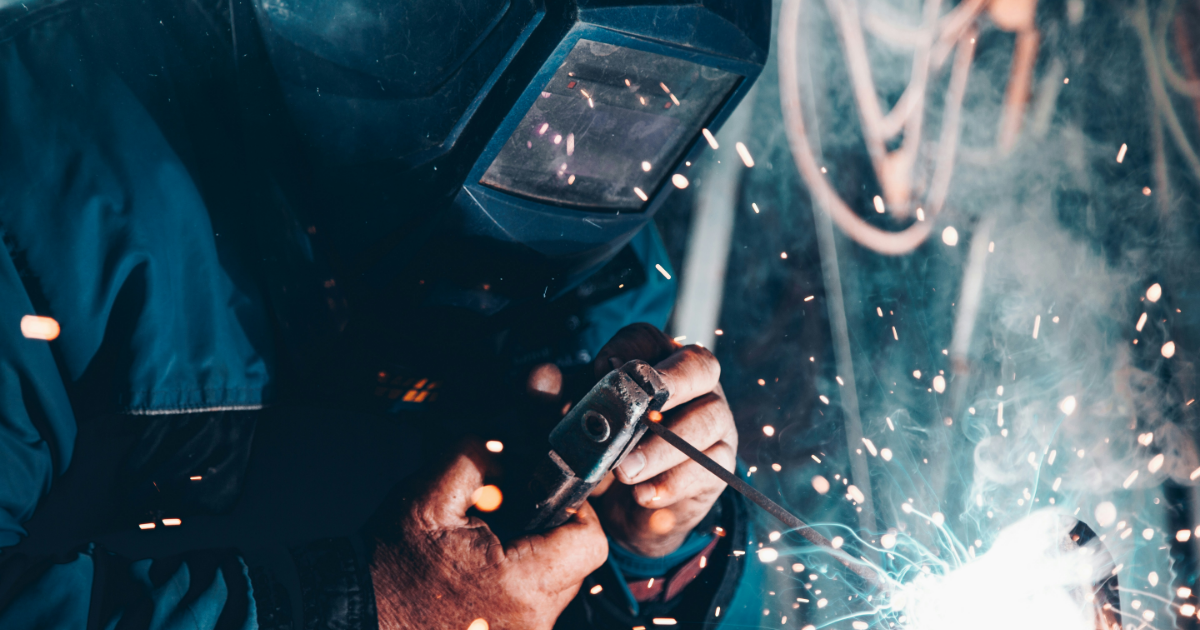
P91 welding is the process of joining P91 steel pipe using controlled preheat, interpass temperature, and post weld heat treatment (PWHT). It is one of the most demanding jobs in industrial fabrication. Get it wrong and cracked welds can show up months or years later.
This blog is a simple, beginner-friendly breakdown of why the P91 welding process needs to be treated with extra caution.
You might also like: What is P91 material?
P91 is a high-alloy steel built for extreme heat. It contains about 9% chromium and 1% molybdenum, plus small amounts of vanadium and niobium that boost strength at high temperatures.
This gives P91 excellent creep resistance against heat and pressure for years, and is why it is used in power plants, refineries, and chemical plants where pipes run hot around the clock.
The tradeoff is weldability. P91's composition makes it prone to cracking if welded like ordinary carbon steel. That is why P91 welding requires strict control of preheating, welding procedures, post-weld heat treatment (PWHT), and inspection in accordance with codes such as ASME B31.1.
Explore: How Does Induction Heating Work?

Welding P91 is not just striking an arc and filling a joint. It is a sequence of heat-controlled steps that work together.
Before welding starts, the joint is heated to a minimum of roughly 200°C to 204°C (400°F).
During welding, hydrogen can get trapped and cause cracks. Preheating slows the cooling rate and gives that hydrogen time to escape.
After welding starts, the temperature between 300°C to 315°C is the interpass temperature.
Too cold and the risk of cracking rises; too hot and the weld metal becomes difficult to control, with the surrounding microstructure starting to degrade before PWHT even begins. Welders check this with a pyrometer or thermocouples after every pass.
Post-heat hold is done on thicker sections, often 300°C to 350°C for two to three hours, right after welding finishes.
This gives any remaining hydrogen time to diffuse out before the joint cools to room temperature. Skipping it on thick-wall components is a common cause of delayed cracking.
This is the most crucial step in P91 welding. The joint is heated to roughly 730°C to 770°C and held there for about one hour for every 1 inch of wall thickness.
PWHT does two jobs:
Overheating above roughly 790°C can form fresh, untempered martensite that no later treatment can fix. That is why temperature is monitored across the whole weld zone, not just one spot. Uneven heating, even within an acceptable average, can leave pockets of the joint under-treated or over-treated at the same time.
Inspection: Hardness testing after PWHT is commonly used to verify that the weld and heat-affected zone have been properly tempered.
You might also like: P91 Heat Treatment Playbook
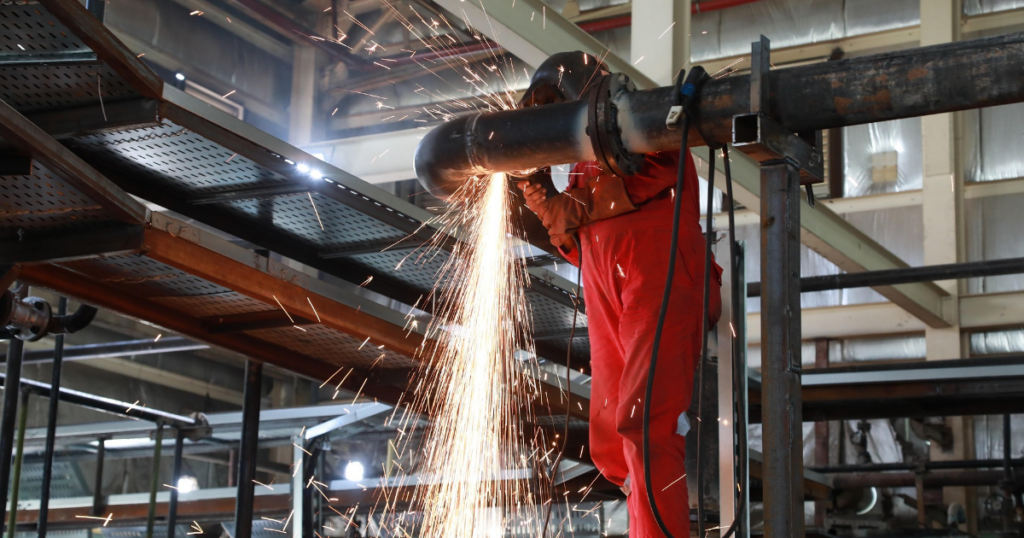
Not every welding process suits P91, and the ones that do still require tightly controlled consumables to match the alloy's chemistry.
It is preferred for root passes. It produces the lowest hydrogen deposits and gives precise heat input control. The matching filler wire is ER90S-B9.
SMAW is used for fill and cap passes with E9015-B9 low-hydrogen electrodes. These must be stored in a heated rod oven and used within a strict time limit. Even brief humidity exposure can raise hydrogen levels enough to cause delayed cracking.
It is occasionally used in shop fabrication for flat or horizontal welds, matching B9 wire with basic flux
FCAW is used where higher deposition rates matter, but requires careful heat input management to avoid interpass temperature issues. The matching filler is E91T1-B9 wire
These filler metals must be stored in heated rod ovens. Picking up moisture from the air raises the cracking risk all over again.
Check out: Pre and Post Weld Heat Treatment: The Key Differences
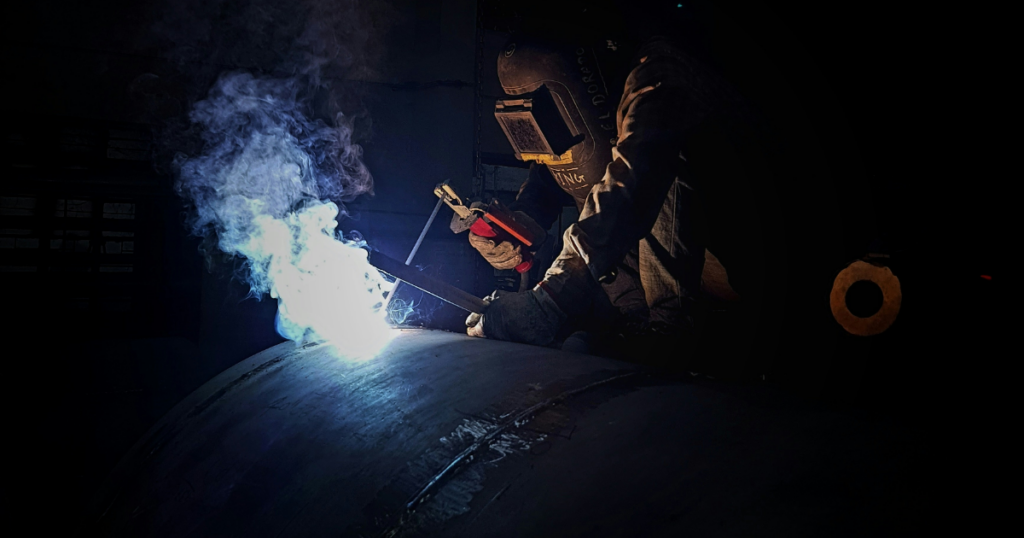
P91 shows up wherever a plant moves steam or process fluid at high temperature and pressure:
Read more: Hydrogen Bake Out Treatment Services
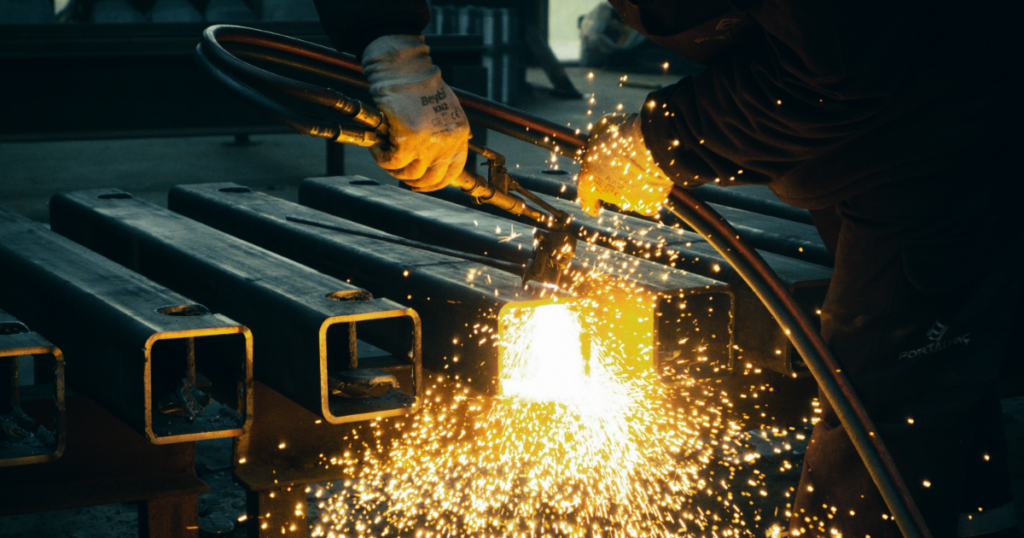
P91 was developed by the Electric Power Research Institute (EPRI) to replace older grades like P22, to withstand higher steam temperatures modern plants run today. It allows a low margin for error but still it is important to avoid mistakes. A faulty weld can come out years later and cause large-scale shutdown.
Common mistakes on P91 jobs include:
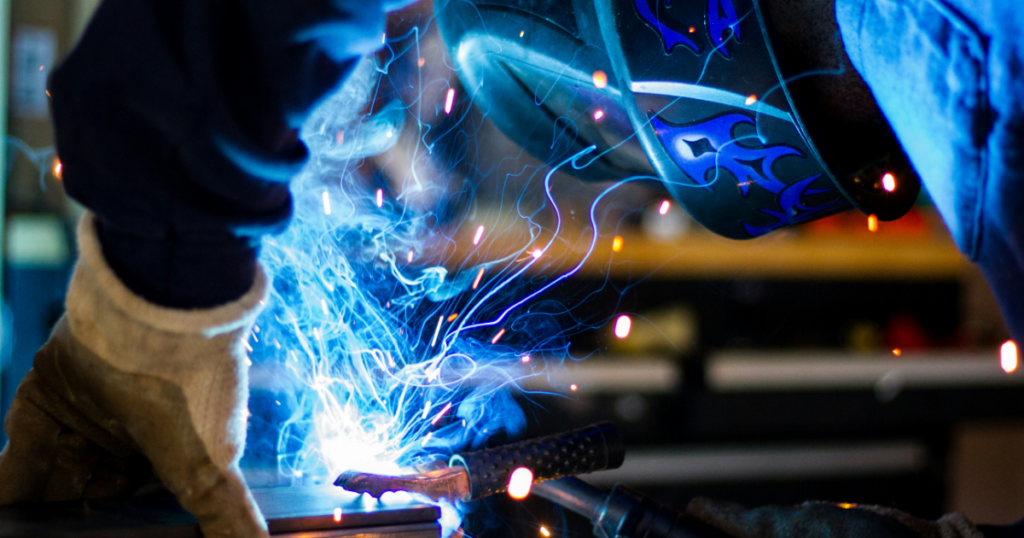
Welding is only half the story. Preheat, interpass control, and PWHT all depend on accurate and even heat held steady for hours. That is a heat treatment job, usually handled by a dedicated on-site provider working alongside the welding crew.
Working on a P91 project and need heat treatment support you can trust? Contact Axiom HT today to talk through your preheat and PWHT plan.